

Xinjiang Agricultural Sciences ›› 2025, Vol. 62 ›› Issue (5): 1064-1074.DOI: 10.6048/j.issn.1001-4330.2025.05.003
• Crop Genetics and Breeding·Cultivation Physiology·Physiology and Biochemistry • Previous Articles Next Articles
ZHANG Mengke( ), LIN Li(), LIN Hao, HUI Ruihan, YANG Kepan
Received:2024-10-22
Online:2025-05-20
Published:2025-07-09
Correspondence author:
LIN Li
Supported by:
张梦珂(), 林丽(), 林豪, 惠瑞晗, 杨可攀
通讯作者:
林丽
作者简介:张梦珂(1996-),女,硕士研究生,研究方向为智慧水利,(E-mail) 2949192566@qq.com
基金资助:CLC Number:
ZHANG Mengke, LIN Li, LIN Hao, HUI Ruihan, YANG Kepan. The effect of different irrigation frequencies on the growth indicators and yield of upland cotton[J]. Xinjiang Agricultural Sciences, 2025, 62(5): 1064-1074.
张梦珂, 林丽, 林豪, 惠瑞晗, 杨可攀. 不同灌溉频次对陆地棉生长指标和产量的影响[J]. 新疆农业科学, 2025, 62(5): 1064-1074.
Add to citation manager EndNote|Ris|BibTeX
URL: https://www.xjnykx.com/EN/10.6048/j.issn.1001-4330.2025.05.003
| 深度 Depth (cm) | 颗粒含量百分数 Particle content percentage(%) | 土壤质地 Soil texture | |||
|---|---|---|---|---|---|
| <0.002 mm | 0.02~0.002 mm | 0.2~0.02 mm | 2~0.02 mm | ||
| 0~10 | 8.8 | 34.8 | 55.7 | 0.7 | 砂质壤土 |
| 10~20 | 10.8 | 32.6 | 56.2 | 0.4 | 砂质壤土 |
| 20~30 | 9.4 | 30.6 | 59.4 | 0.6 | 砂质壤土 |
| 30~40 | 8.8 | 23.6 | 66.6 | 1.0 | 砂质壤土 |
| 40~50 | 8.4 | 66.7 | 24.4 | 0.5 | 粉(砂)质壤土 |
| 50~60 | 8.4 | 33.1 | 58.2 | 0.3 | 砂质壤土 |
Tab.1 Physical properties of soil in the experimental area
| 深度 Depth (cm) | 颗粒含量百分数 Particle content percentage(%) | 土壤质地 Soil texture | |||
|---|---|---|---|---|---|
| <0.002 mm | 0.02~0.002 mm | 0.2~0.02 mm | 2~0.02 mm | ||
| 0~10 | 8.8 | 34.8 | 55.7 | 0.7 | 砂质壤土 |
| 10~20 | 10.8 | 32.6 | 56.2 | 0.4 | 砂质壤土 |
| 20~30 | 9.4 | 30.6 | 59.4 | 0.6 | 砂质壤土 |
| 30~40 | 8.8 | 23.6 | 66.6 | 1.0 | 砂质壤土 |
| 40~50 | 8.4 | 66.7 | 24.4 | 0.5 | 粉(砂)质壤土 |
| 50~60 | 8.4 | 33.1 | 58.2 | 0.3 | 砂质壤土 |
| 取样深度 Sampling depth (cm) | 有机质 Organic matter (g/kg) | 全氮 Total Nitrogen (g/kg) | 水解性氮 Hydrolyzable Nitrogen (mg/kg) | 有效磷 Available Phosphorus (mg/kg) | 速效钾 Available K (mg/kg) | 水溶性盐分 Water soluble salts (g/kg) |
|---|---|---|---|---|---|---|
| 0~10 | 8.34 | 0.41 | 27.15 | 38.35 | 103 | 1.6 |
| 10~20 | 9.91 | 0.53 | 69.75 | 71.35 | 135 | 2.4 |
| 20~30 | 9.11 | 0.46 | 56.2 | 55.45 | 152 | 2 |
| 30~40 | 5.67 | 0.33 | 27.15 | 28.05 | 102.5 | 1.7 |
| 40~50 | 6.33 | 0.34 | 21.85 | 10.8 | 80 | 1.45 |
| 50~60 | 5.55 | 0.28 | 26.75 | 41.7 | 62.5 | 2.2 |
Tab.2 Basic nutrient content of soil in the experimental area
| 取样深度 Sampling depth (cm) | 有机质 Organic matter (g/kg) | 全氮 Total Nitrogen (g/kg) | 水解性氮 Hydrolyzable Nitrogen (mg/kg) | 有效磷 Available Phosphorus (mg/kg) | 速效钾 Available K (mg/kg) | 水溶性盐分 Water soluble salts (g/kg) |
|---|---|---|---|---|---|---|
| 0~10 | 8.34 | 0.41 | 27.15 | 38.35 | 103 | 1.6 |
| 10~20 | 9.91 | 0.53 | 69.75 | 71.35 | 135 | 2.4 |
| 20~30 | 9.11 | 0.46 | 56.2 | 55.45 | 152 | 2 |
| 30~40 | 5.67 | 0.33 | 27.15 | 28.05 | 102.5 | 1.7 |
| 40~50 | 6.33 | 0.34 | 21.85 | 10.8 | 80 | 1.45 |
| 50~60 | 5.55 | 0.28 | 26.75 | 41.7 | 62.5 | 2.2 |
| 处理 Treatments | 灌溉频次 Irrigation frequency (d) | 灌水次数 Irrigation times (number of times) | 灌溉定额 Irrigation quota (m3/hm2) |
|---|---|---|---|
| D2 | 2 | 40 | 3 750 |
| D4 | 4 | 20 | 3 750 |
| D6 | 6 | 14 | 3 750 |
| D8 | 8 | 11 | 3 750 |
| CK | 常规灌溉 | 4 095 | |
Tab.3 Experiment treatments
| 处理 Treatments | 灌溉频次 Irrigation frequency (d) | 灌水次数 Irrigation times (number of times) | 灌溉定额 Irrigation quota (m3/hm2) |
|---|---|---|---|
| D2 | 2 | 40 | 3 750 |
| D4 | 4 | 20 | 3 750 |
| D6 | 6 | 14 | 3 750 |
| D8 | 8 | 11 | 3 750 |
| CK | 常规灌溉 | 4 095 | |
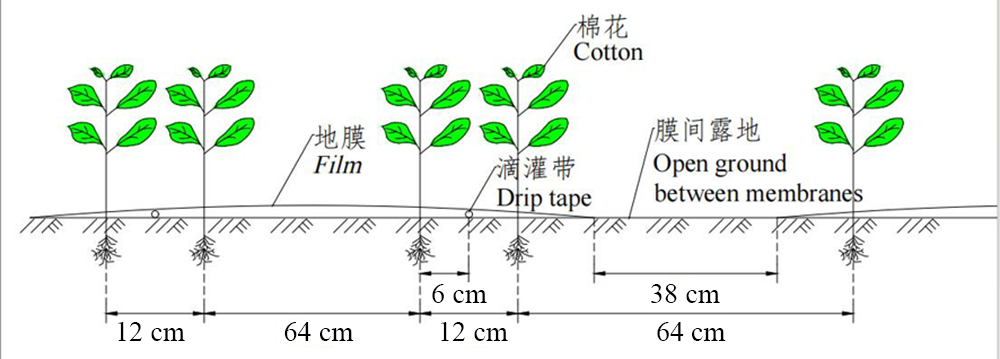
Fig. 1 Schematic diagram of cotton planting pattern and drip irrigation belt layout
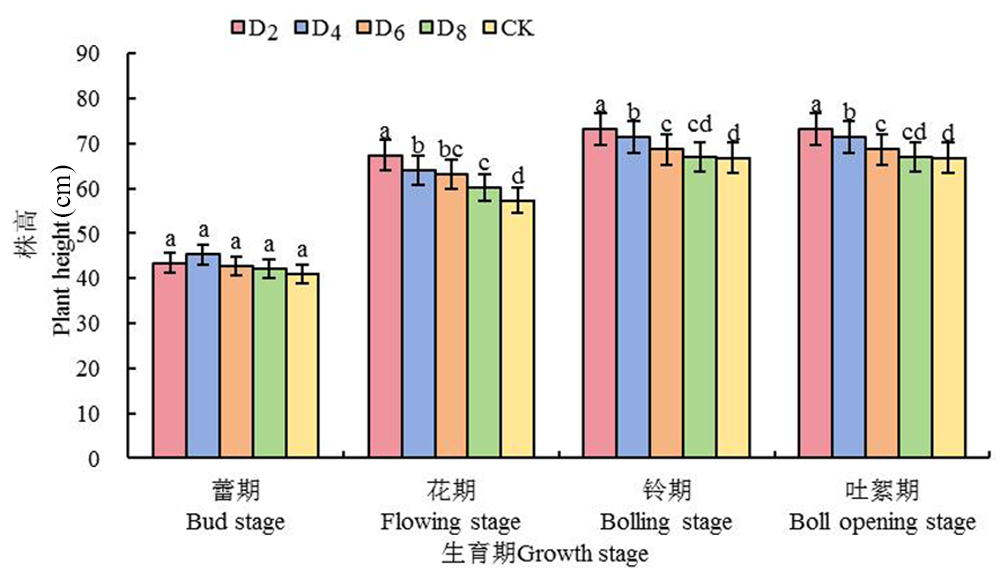
Fig. 2 Changes in cotton plant height under different irrigation frequencies Notes: Different letters indicate significant differences between treatments at the 0.05 level,(P<0.05), the same as below
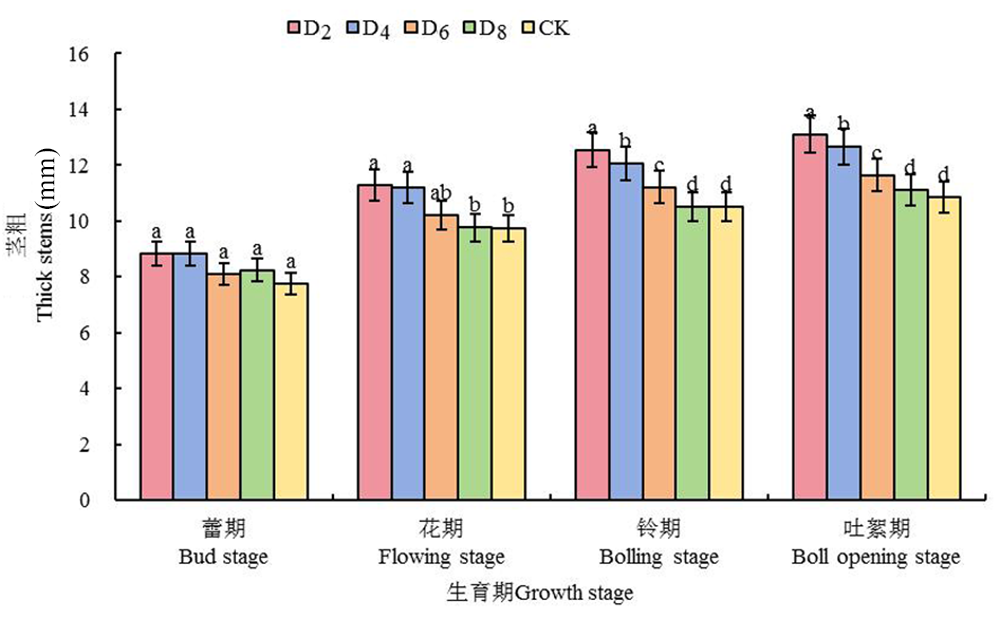
Fig. 3 Changes in Cotton Stem Thickness under Different Irrigation Frequencies
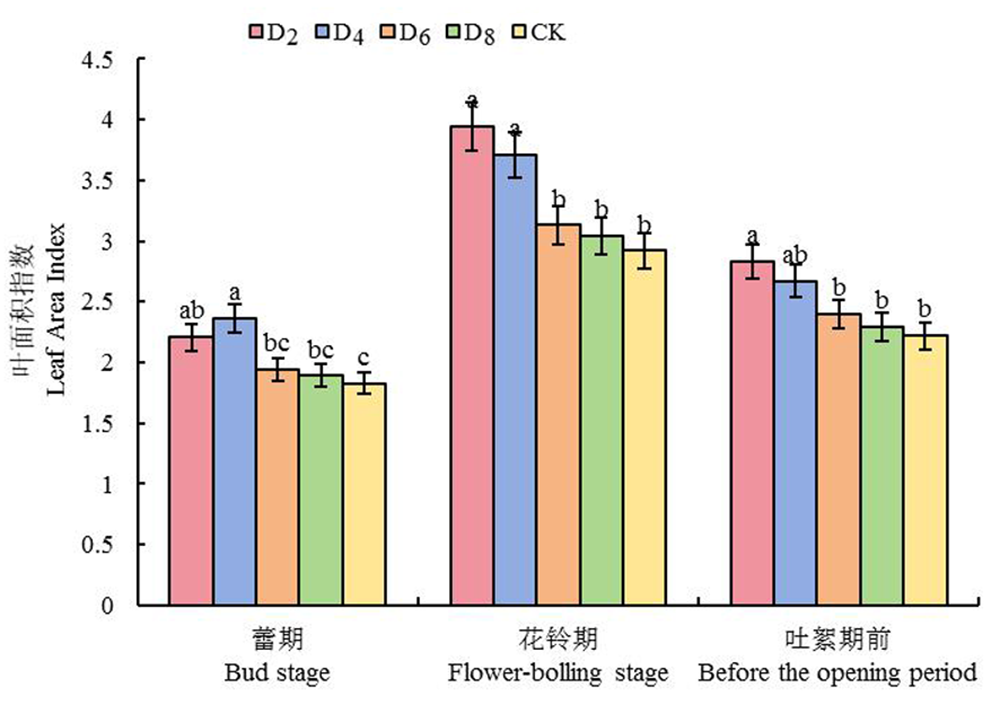
Fig. 4 Changes in Cotton Leaf Area Index under Different Irrigation Frequencies

Fig. 5 Changes in above ground dry matter of cotton treated with different irrigation frequencies
| 处理 Treatments | 方程 Equation | Vm (g/d) | t0 d | t1 d | t2 d | Δt d | 单株最大积累量 Maximum accumulation (g/株) | R2 |
|---|---|---|---|---|---|---|---|---|
| D2 | y=122.42/(1+189.33e-0.041x) | 1.25 | 128 | 96 | 160 | 64 | 122.42 | 0.987 1 |
| D4 | y=121.16/(1+196.33e-0.042x) | 1.27 | 126 | 94 | 157 | 63 | 121.16 | 0.993 4 |
| D6 | y=98.58/(1+608.34e-0.053x) | 1.31 | 121 | 96 | 146 | 50 | 98.58 | 0.9912 |
| D8 | y=91.64/(1+846.91e-0.058x) | 1.36 | 112 | 94 | 139 | 45 | 91.64 | 0.9937 |
| CK | y=91.09/(1+851.27e-0.060x) | 1.37 | 112 | 90 | 134 | 44 | 91.09 | 0.9912 |
Tab.4 Fitting relation of cotton dry biomass and days after sowing by Logistic function
| 处理 Treatments | 方程 Equation | Vm (g/d) | t0 d | t1 d | t2 d | Δt d | 单株最大积累量 Maximum accumulation (g/株) | R2 |
|---|---|---|---|---|---|---|---|---|
| D2 | y=122.42/(1+189.33e-0.041x) | 1.25 | 128 | 96 | 160 | 64 | 122.42 | 0.987 1 |
| D4 | y=121.16/(1+196.33e-0.042x) | 1.27 | 126 | 94 | 157 | 63 | 121.16 | 0.993 4 |
| D6 | y=98.58/(1+608.34e-0.053x) | 1.31 | 121 | 96 | 146 | 50 | 98.58 | 0.9912 |
| D8 | y=91.64/(1+846.91e-0.058x) | 1.36 | 112 | 94 | 139 | 45 | 91.64 | 0.9937 |
| CK | y=91.09/(1+851.27e-0.060x) | 1.37 | 112 | 90 | 134 | 44 | 91.09 | 0.9912 |
| 处理 Treat- ments | 单株铃数 Boll number (个/株) | 单铃质量 The quality of single boll (g) | 收获密度 Harvested density (104株/hm2) | 籽棉产量 Seed cotton Yield (kg/hm2) | 耗水量 water consumption (mm) | 水分利用效率 WUE (kg/(mm·hm2)) | 衣分 Lint percentage (%) |
|---|---|---|---|---|---|---|---|
| D2 | 9.21±0.09a | 5.39±0.03a | 17.14±0.11a | 7 546.35±18.43a | 477.80 | 1.58±0.01a | 45.57±0.70a |
| D4 | 9.15±0.12a | 5.37±0.04a | 17.11±0.22a | 7 385.93±36.59b | 464.71 | 1.59±0.01a | 45.34±0.12a |
| D6 | 8.64±0.29b | 5.30±0.02b | 17.02±0.16ab | 6 815.11±58.78c | 448.39 | 1.52±0.01b | 45.26±0.22a |
| D8 | 8.12±0.21c | 5.26±0.04b | 17.73±0.04ab | 6 399.92±76.32d | 439.51 | 1.45±0.02c | 45.38±0.51a |
| CK | 7.67±0.15d | 5.29±0.06b | 17.02±0.13b | 6 675.97±87.66c | 467.95 | 1.42±0.02c | 44.06±0.49b |
Tab.5 The effect of different irrigation frequencies on cotton yield and water use efficiency
| 处理 Treat- ments | 单株铃数 Boll number (个/株) | 单铃质量 The quality of single boll (g) | 收获密度 Harvested density (104株/hm2) | 籽棉产量 Seed cotton Yield (kg/hm2) | 耗水量 water consumption (mm) | 水分利用效率 WUE (kg/(mm·hm2)) | 衣分 Lint percentage (%) |
|---|---|---|---|---|---|---|---|
| D2 | 9.21±0.09a | 5.39±0.03a | 17.14±0.11a | 7 546.35±18.43a | 477.80 | 1.58±0.01a | 45.57±0.70a |
| D4 | 9.15±0.12a | 5.37±0.04a | 17.11±0.22a | 7 385.93±36.59b | 464.71 | 1.59±0.01a | 45.34±0.12a |
| D6 | 8.64±0.29b | 5.30±0.02b | 17.02±0.16ab | 6 815.11±58.78c | 448.39 | 1.52±0.01b | 45.26±0.22a |
| D8 | 8.12±0.21c | 5.26±0.04b | 17.73±0.04ab | 6 399.92±76.32d | 439.51 | 1.45±0.02c | 45.38±0.51a |
| CK | 7.67±0.15d | 5.29±0.06b | 17.02±0.13b | 6 675.97±87.66c | 467.95 | 1.42±0.02c | 44.06±0.49b |
| 指标 Indicators | 各处理方案评价指标标准化 Standardization of evaluation indicators for each treatment plan | 信息熵 Information entropy | 权重 Weight | ||||
|---|---|---|---|---|---|---|---|
| D2 | D4 | D6 | D8 | CK | |||
| Y1 | 1.000 0 | 0.961 0 | 0.629 9 | 0.292 2 | 0.000 0 | 0.194 | 0.155 |
| Y2 | 1.000 0 | 0.846 2 | 0.307 7 | 0.000 0 | 0.230 8 | 0.241 | 0.192 |
| Y3 | 1.000 0 | 0.847 7 | 0.794 7 | 0.874 2 | 0.000 0 | 0.141 | 0.112 |
| Y4 | 0.000 0 | 0.341 8 | 0.767 8 | 1.000 0 | 0.257 2 | 0.223 | 0.178 |
| Y5 | 1.000 0 | 0.860 1 | 0.362 2 | 0.000 0 | 0.240 8 | 0.228 | 0.182 |
| Y6 | 0.941 2 | 1.000 0 | 0.588 2 | 0.176 5 | 0.000 0 | 0.226 | 0.181 |
| 得分Store | 0.811 0 | 0.804 5 | 0.554 9 | 0.353 7 | 0.134 0 | ||
| 排序Sort | 1 | 2 | 3 | 4 | 5 | ||
Tab.6 Standardized values, information entropy, and weights of evaluation indicators for each processing plan
| 指标 Indicators | 各处理方案评价指标标准化 Standardization of evaluation indicators for each treatment plan | 信息熵 Information entropy | 权重 Weight | ||||
|---|---|---|---|---|---|---|---|
| D2 | D4 | D6 | D8 | CK | |||
| Y1 | 1.000 0 | 0.961 0 | 0.629 9 | 0.292 2 | 0.000 0 | 0.194 | 0.155 |
| Y2 | 1.000 0 | 0.846 2 | 0.307 7 | 0.000 0 | 0.230 8 | 0.241 | 0.192 |
| Y3 | 1.000 0 | 0.847 7 | 0.794 7 | 0.874 2 | 0.000 0 | 0.141 | 0.112 |
| Y4 | 0.000 0 | 0.341 8 | 0.767 8 | 1.000 0 | 0.257 2 | 0.223 | 0.178 |
| Y5 | 1.000 0 | 0.860 1 | 0.362 2 | 0.000 0 | 0.240 8 | 0.228 | 0.182 |
| Y6 | 0.941 2 | 1.000 0 | 0.588 2 | 0.176 5 | 0.000 0 | 0.226 | 0.181 |
| 得分Store | 0.811 0 | 0.804 5 | 0.554 9 | 0.353 7 | 0.134 0 | ||
| 排序Sort | 1 | 2 | 3 | 4 | 5 | ||
| [1] | 张山清, 普宗朝, 冯志敏, 等. 气候变暖对新疆棉花种植气候适宜性分区的影响[J]. 沙漠与绿洲气象, 2023, 17(5): 167-174. |
| ZHANG Shanqing, PU Zongchao, FENG Zhimin, et al. Impact of climate warming on cotton cultivation in Xinjiang[J]. Desert and Oasis Meteorology, 2023, 17(5): 167-174. | |
| [2] | 孙莉, 张清, 陈曦, 等. 精准农业技术系统集成在新疆棉花种植中的应用[J]. 农业工程学报, 2005, 21(8): 83-88. |
| SUN Li, ZHANG Qing, CHEN Xi, et al. Application of the integrated precision farming system of cotton growing in Xinjiang Region[J]. Transactions of the Chinese Society of Agricultural Engineering, 2005, 21(8): 83-88. | |
| [3] | 潘伟, 杨德刚, 杨莉, 等. 新疆棉花种植面积的时空变化及适度规模研究[J]. 中国生态农业学报, 2011, 19(2): 415-420. |
| PAN Wei, YANG Degang, YANG Li, et al. Spatio-temporal dynamics and optimal development scale of cotton industry in Xinjiang[J]. Chinese Journal of Eco-Agriculture, 2011, 19(2): 415-420. | |
| [4] | 王兴鹏, 辛朗, 杜江涛, 等. 基于DSSAT模型的南疆膜下滴灌棉花生长与产量模拟[J]. 农业机械学报, 2022, 53(9): 314-321. |
| WANG Xingpeng, XIN Lang, DU Jiangtao, et al. Simulation of cotton growth and yield under film drip irrigation condition based on DSSAT model in southern Xinjiang[J]. Transactions of the Chinese Society for Agricultural Machinery, 2022, 53(9): 314-321. | |
| [5] | 毛远辉, 李江. 南疆水资源禀赋及节水潜力分析[J]. 水利规划与设计, 2023,(4): 10-14, 22. |
| MAO Yuanhui, LI Jiang. Analysis of water resources endowment and water saving potential in southern Xinjiang[J]. Water Resources Planning and Design, 2023,(4): 10-14, 22. | |
| [6] | Assouline S. The effects of microdrip and conventional drip irrigation on water distribution and uptake[J]. Soil Science Society of America Journal, 2002, 66(5): 1630-1636. |
| [7] | 郭文忠, 曲梅, 韦彦, 等. 灌溉频率对日光温室黄瓜生长发育及干物质积累的响应[J]. 中国农学通报, 2007, 23(5): 467-470. |
|
GUO Wenzhong, QU Mei, WEI Yan, et al. The primary study on response of growth, yield and dry matter of cucumber under different irrigation frequency in solar greenhouse[J]. Chinese Agricultural Science Bulletin, 2007, 23(5): 467-470.
DOI |
|
| [8] | 刘芳婷. 膜下滴灌条件下灌溉与棉花生长对土壤CO2排放的影响研究[D]. 石河子: 石河子大学, 2019. |
| LIU Fangting. A study on the effects of irrigation and cotton growth on soil CO2 emissions under subsurface drip irrigation conditions[D]. Shihezi: Shihezi University, 2019. | |
| [9] |
Dodd I C, Puértolas J, Huber K, et al. The importance of soil drying and re-wetting in crop phytohormonal and nutritional responses to deficit irrigation[J]. Journal of Experimental Botany, 2015, 66(8): 2239-2252.
DOI PMID |
| [10] | 余美, 杨劲松, 刘梅先, 等. 不同膜下滴灌模式对土壤水分及棉花产量的影响[J]. 农业环境科学学报, 2010, 29(12): 2368-2374. |
| YU Mei, YANG Jinsong, LIU Meixian, et al. Study on effects of different mulched drip irrigation modes on soil moisture and cotton yield[J]. Journal of Agro-Environment Science, 2010, 29(12): 2368-2374. | |
| [11] | 崔建平, 程强, 陈平, 等. 深松条件下滴灌频次对土壤理化指标及棉花产量的调节效应[J]. 水土保持学报, 2019, 33(1): 263-269, 276. |
| CUI Jianping, CHENG Qiang, CHEN Ping, et al. Effects of drip irrigation frequency on soil physical and chemical characteristics and cotton yield under subsoiling condition[J]. Journal of Soil and Water Conservation, 2019, 33(1): 263-269, 276. | |
| [12] | 王新燕, 龚照龙, 郑巨云, 等. 不同频率膜下滴灌对棉花农艺性状及产量的影响[J]. 棉花科学, 2017, 39(3): 20-24. |
| WANG Xinyan, GONG Zhaolong, ZHENG Juyun, et al. The effect of drip irrigation under different frequency films on the agronomic traits and yield of cotton[J]. Cotton Sciences, 2017, 39(3): 20-24. | |
| [13] | 郭仁松, 陈平, 程强, 等. 深松条件下灌溉频次对棉花水分利用效率及产量的影响[J]. 灌溉排水学报, 2019, 38(7): 17-22. |
| GUO Rensong, CHEN Ping, CHENG Qiang, et al. Effect of irrigation frequency on water use efficiency and yield of cotton after loosening the deep soil[J]. Journal of Irrigation and Drainage, 2019, 38(7): 17-22. | |
| [14] | Jordan J E, White R H, Vietor D M, et al. Effect of irrigation frequency on turf quality, shoot density, and root length density of five bentgrass cultivars[J]. Crop Science, 2003, 43(1): 282-287. |
| [15] | Wang F X, Kang Y H, Liu S P. Effects of drip irrigation frequency on soil wetting pattern and potato growth in North China Plain[J]. Agricultural Water Management, 2006, 79(3): 248-264. |
| [16] | 刘翔, 张富仓, 向友珍, 等. 亏缺灌溉对南疆棉花生长和水分利用的影响[J]. 排灌机械工程学报, 2020, 38(12): 1270-1276. |
| LIU Xiang, ZHANG Fucang, XIANG Youzhen, et al. Effects of deficit irrigation on cotton growth and water use in southern Xinjiang of China[J]. Journal of Drainage and Irrigation Machinery Engineering, 2020, 38(12): 1270-1276. | |
| [17] | 潘俊杰, 付秋萍, 阿布都卡依木·阿布力米提, 等. 蕾期和花铃期不同灌水下限对滴灌棉花产量的影响[J]. 干旱地区农业研究, 2019, 37(5): 27-32. |
| PAN Junjie, FU Qiuping, Abudukayimu Abulimiti, et al. Effects of irrigation limits at bud stage and flowering stage on yield of drip irrigation cotton[J]. Agricultural Research in the Arid Areas, 2019, 37(5): 27-32. | |
| [18] | 何平如, 张富仓, 侯翔皓, 等. 土壤水分调控对南疆滴灌棉花产量及土壤水盐分布的影响[J]. 水土保持研究, 2020, 27(2): 84-92. |
| HE Pingru, ZHANG Fucang, HOU Xianghao, et al. Effects of soil water regulation on cotton yield and soil water-salt distribution under drip irrigation in southern Xinjiang[J]. Research of Soil and Water Conservation, 2020, 27(2): 84-92. | |
| [19] | 常浩, 洪明, 陈志卿, 等. 土壤水分上下限对北疆滴灌春玉米产量和品质的影响[J]. 水资源与水工程学报, 2023, 34(1): 207-215. |
| CHANG Hao, HONG Ming, CHEN Zhiqing, et al. Effect of upper and lower soil moisture limits on yield and quality of drip irrigated spring maize in the northern Xinjiang[J]. Journal of Water Resources and Water Engineering, 2023, 34(1): 207-215. | |
| [20] | 张骜, 王振华, 王久龙. 不同灌溉定额对棉花墒情及产量影响的研究[J]. 农机化研究, 2015, 37(12): 172-176. |
| ZHANG Ao, WANG Zhenhua, WANG Jiulong. Different irrigation quota on cotton research on the effects of soil moisture and yield[J]. Journal of Agricultural Mechanization Research, 2015, 37(12): 172-176. | |
| [21] | 杨九刚, 何继武, 马英杰, 等. 灌水频率和灌溉定额对膜下滴灌棉花生长及产量的影响[J]. 节水灌溉, 2011(3): 29-32, 38. |
| YANG Jiugang, HE Jiwu, MA Yingjie, et al. Effects of irrigation frequency and quota on cotton growth and yield with drip irrigation under plastic film[J]. Water Saving Irrigation, 2011(3): 29-32, 38. | |
| [22] | Yao H S, Zhang Y L, Yi X P, et al. Characters in light-response curves of canopy photosynthetic use efficiency of light and N in responses to plant density in field-grown cotton[J]. Field Crops Research, 2017, 203: 192-200. |
| [23] | 王肖娟, 危常州, 陈林. 不同灌溉频率对滴灌棉花生长及产量的影响研究[J]. 新疆农垦科技, 2014, 37(7): 55-58. |
| WANG Xiaojuan, WEI Changzhou, CHEN Lin. A study on the effects of different irrigation frequencies on the growth and yield of cotton under drip irrigation[J]. Xinjiang Farm Research of Science and Technology, 2014, 37(7): 55-58. | |
| [24] | 邢小宁, 姚宝林, 孙三民. 不同灌溉制度对南疆绿洲区膜下滴灌棉花生长及产量的影响[J]. 西北农业学报, 2016, 25(2): 227-236. |
| XING Xiaoning, YAO Baolin, SUN Sanmin. Effects of different irrigation regimes on cotton growth and yield with drip irrigation under plastic film in oasis region of south Xinjiang[J]. Acta Agriculturae Boreali-occidentalis Sinica, 2016, 25(2): 227-236. | |
| [25] | 冉辉, 蒋桂英, 徐红军, 等. 灌溉频率和施氮量对滴灌春小麦干物质积累及产量的影响[J]. 麦类作物学报, 2015, 35(3): 379-386. |
| RAN Hui, JIANG Guiying, XU Hongjun, et al. Effect of irrigation frequency and nitrogen application rate on dry matter accumulation and yield of drip-irrigated SpringWheat[J]. Journal of Triticeae Crops, 2015, 35(3): 379-386. | |
| [26] | 姜东燕, 于振文, 许振柱. 灌溉量和施氮量对冬小麦产量和土壤硝态氮含量的影响[J]. 应用生态学报, 2011, 22(2): 364-368. |
|
JIANG Dongyan, YU Zhenwen, XU Zhenzhu. Effects of irrigation amount and nitrogen fertilization rate on wheat yield and soil nitrate content[J]. Chinese Journal of Applied Ecology, 2011, 22(2): 364-368.
PMID |
|
| [27] |
吴凤全, 汤秋香, 王亮, 等. 灌溉频率对棉花干物质积累及水分利用效率的影响[J]. 新疆农业科学, 2018, 55(4): 601-608.
DOI |
| WU Fengquan, TANG Qiuxiang, WANG Liang, et al. Effects of irrigation frequencies on dry matter accumulation and water use efficiency of cotton[J]. Xinjiang Agricultural Sciences, 2018, 55(4): 601-608. | |
| [28] | Baker D N, Lambert J R, McKinio. GOSSYM: A simulator of-cotton crop growth and yield[J]. Technical Bulletin,1983. |
| [29] |
蔡晓莉, 马丽娟, 逯涛, 等. 不同种植模式和密度对Z1112产量及纤维品质的影响[J]. 中国棉花, 2018, 45(6): 24-26, 42.
DOI |
|
CAI Xiaoli, MA Lijuan, LU Tao, et al. Effects of different cultivation patterns and densities on yield and fiber quality of a cotton variety Z1112[J]. China Cotton, 2018, 45(6): 24-26, 42.
DOI |
|
| [30] | 王一民, 虎胆·吐马尔白, 张金珠, 等. 膜下滴灌不同灌溉定额及灌水周期对棉花生长和产量的影响[J]. 新疆农业科学, 2010, 47(9): 1765-1769. |
| WANG Yimin, Tumaerai, ZHANG Jinzhu, et al. Effect of different irrigation quota and cycle under mulched drip irrigation on cotton growth and yield[J]. Xinjiang Agricultural Sciences, 2010, 47(9): 1765-1769. | |
| [31] | 王小兵, 李明思, 何春燕. 膜下高频滴灌棉花田间耗水规律的试验研究[J]. 水资源与水工程学报, 2008, 19(1): 39-42. |
| WANG Xiaobing, LI Mingsi, HE Chunyan. Experimental research on water consumption of the cotton under high-frequency drip irrigation mulched with plastic films[J]. Journal of Water Resources and Water Engineering, 2008, 19(1): 39-42. | |
| [32] | 崔永生, 王峰, 孙景生, 等. 南疆机采棉田灌溉制度对土壤水盐变化和棉花产量的影响[J]. 应用生态学报, 2018, 29(11): 3634-3642. |
|
CUI Yongsheng, WANG Feng, SUN Jingsheng, et al. Effects of irrigation regimes on the variation of soil water and salt and yield of mechanically harvested cotton in Southern Xinjiang, China[J]. Chinese Journal of Applied Ecology, 2018, 29(11): 3634-3642.
DOI |
|
| [33] |
王峰, 孙景生, 刘祖贵, 等. 灌溉制度对机采棉生长、产量及品质的影响[J]. 棉花学报, 2014, 26(1): 41-48.
DOI |
| WANG Feng, SUN Jingsheng, LIU Zugui, et al. Effects of irrigation scheduling on growth, yield and fiber quality of cotton under mechanical harvest cropping model[J]. Cotton Science, 2014, 26(1): 41-48. | |
| [34] | 林涛, 郭仁松, 徐海江, 等. 滴灌频率对南疆棉田水分蒸散特征及WUE的影响[J]. 新疆农业科学, 2015, 52(7): 1224-1229. |
| LIN Tao, GUO Rensong, XU Haijiang, et al. The impact of irrigation frequency on the characters of evapotranspiration and WUE which use plastic film under drip irrigation in southern Xinjiang[J]. Xinjiang Agricultural Sciences, 2015, 52(7): 1224-1229. | |
| [35] | 熊雪, 邵玲智, 董建新, 等. 承德坝上御道口地区不同燕麦品种生产性能及饲用价值[J]. 草业科学, 2022, 39(7): 1412-1418. |
| XIONG Xue, SHAO Lingzhi, DONG Jianxin, et al. Comparison of production performance and feeding value of different oat varieties in Yudaokou, Bashang, Chengde[J]. Pratacultural Science, 2022, 39(7): 1412-1418. | |
| [36] | 李若帆, 马娟娟, 孙西欢, 等. 不同水肥管理模式下糯玉米水氮利用及熵权TOPSIS综合评价[J]. 干旱地区农业研究, 2020, 38(4): 111-120. |
| LI Ruofan, MA Juanjuan, SUN Xihuan, et al. Comprehensive evaluation of water and nitrogen utilization ofwaxy corn based on entropy weight TOPSIS model underdifferent water and fertilizer treatments[J]. Agricultural Research in the Arid Areas, 2020, 38(4): 111-120. |
| [1] | FANG Wancheng, LIN Tao, CUI Jianping, JIA Tao, BAO Longlong, WANG Liang, FAN Shiyu, HU Zhengdong, SHAO Yajie, TANG Qiuxiang. Prediction of SPAD value of cotton based on UAV multispectral remote sensing and machine learning [J]. Xinjiang Agricultural Sciences, 2025, 62(5): 1041-1050. |
| [2] | LIAO Xingyang, WANG Fangyong, FU Jihai, CHEN Weiming, HAN Huanyong. Effects of different amounts of drip irrigation water and DPC on population structure, yield, quality and production cost of machine-picked cotton in Xinjiang [J]. Xinjiang Agricultural Sciences, 2025, 62(5): 1051-1063. |
| [3] | MU Guangrong, LI Jie, Gulnaz Jurat, LOU Shanwei, Parhat Mamat, MA Tengfei, ZHANG Pengzhong, WU Xianglin, ZHANG Lizhen, Batur Bake. Effects of potassium fertilizer rationing and dosage on the growth, development and yield of cotton under membrane drip irrigation [J]. Xinjiang Agricultural Sciences, 2025, 62(5): 1075-1083. |
| [4] | CHEN Chuangzhou, ZHANG Yan, Halihash Yibati, SHE Lingyi, FAN Linxin, ZHANG You. Effects of different nitrogen application rates on growth, development and yield composition of cotton [J]. Xinjiang Agricultural Sciences, 2025, 62(5): 1092-1101. |
| [5] | WU Bin, WU Haibo, LIU Xiangyu, ZHAO Long. Studies on the effects of alkaloids of bitter bean seeds on the quality of watermelon [J]. Xinjiang Agricultural Sciences, 2025, 62(5): 1151-1158. |
| [6] | BAO Yanli, WANG Xiaowei, LI Qiongshi, ZHANG Lizhao, CHEN Yulan. Analysis of the high Quality development level and differences of cotton in major cotton regions of Xinjiang [J]. Xinjiang Agricultural Sciences, 2025, 62(4): 1032-1040. |
| [7] | ZHAO Yuhang, YAN An, MA Mengqian, XIAO Shuting, SUN Zhe, LI Jingyan. Estimation of cotton LAI and SPAD under water-nitrogen coupling based on multi-spectral imaging of unmanned aerial vehicle [J]. Xinjiang Agricultural Sciences, 2025, 62(4): 781-790. |
| [8] | LI Ke, YIN Caixia, CHEN Maoguang, CUI Hanyu, WANG Ke, LIU Liyang, TANG Qiuxiang. Research on cotton SPAD estimation based on UAV multispectral images combined with machine learning [J]. Xinjiang Agricultural Sciences, 2025, 62(4): 791-799. |
| [9] | LI Huqing, SHAO Dongnan, ZHANG Yi, LIU Feng, ZHANG Xinyu, LI Yanjun, SUN Jie, YANG Yonglin, XUE Fei. Bioinformatics analysis and functional verification of GHSHA1 gene in Gossypium hirsutum L. [J]. Xinjiang Agricultural Sciences, 2025, 62(4): 800-806. |
| [10] | QIAO Di, LIN Tao, CUI Jianping, ZHANG Pengzhong, ZHANG Hao, BAO Longlong, TANG Qiuxiang. Effects of RZWQM2-based nitrogen fertilizer transport mode on cotton growth and yield [J]. Xinjiang Agricultural Sciences, 2025, 62(4): 807-819. |
| [11] | HAO Xiyu, ZHANG Zhongjuan, ZHENG Chengdong, ZHANG Siwen, ZHANG Jin, ZHENG Chunxiu, WU Shikai, WANG Xue. Comparative analysis of agronomic traits and yield of different fresh corn varieties (series) [J]. Xinjiang Agricultural Sciences, 2025, 62(4): 837-849. |
| [12] | MA Ruhai, HUANG Chunyan, CUI Huimei, ZHENG Yuehui, FANG Yuan, WANG Dengwei. Effects of different planting modes of yellow sand substrate on tomato yield and quality in solar greenhouse [J]. Xinjiang Agricultural Sciences, 2025, 62(4): 903-910. |
| [13] | CAI Chenyang, GUO Limin, WU Bin. Process optimization of tomato and carrot mixed juice prepared by compound enzyme [J]. Xinjiang Agricultural Sciences, 2025, 62(4): 944-953. |
| [14] | ZHANG Lingjian, ZHANG Kai, ZHANG Hui, GUO Xiaomeng, CHEN Guoyue, WANG Yiding, JIA Qingyu. Study on the relationship between plant water content and morphological characteristics of top stem and leaf during the whole growth period of cotton [J]. Xinjiang Agricultural Sciences, 2025, 62(3): 531-538. |
| [15] | ZHANG Lian, CHEN Xiangyao, WANG Tangang, MA Xiaomei, CHENG Bin, WANG Gang, DUAN Zhenyu. Effects of high-strength mulch on soil temperature, humidity and cotton growth [J]. Xinjiang Agricultural Sciences, 2025, 62(3): 539-545. |
| Viewed | ||||||
|
Full text |
|
|||||
|
Abstract |
|
|||||
